
What is a B2B Business: Characteristics, Types and Examples in 2026
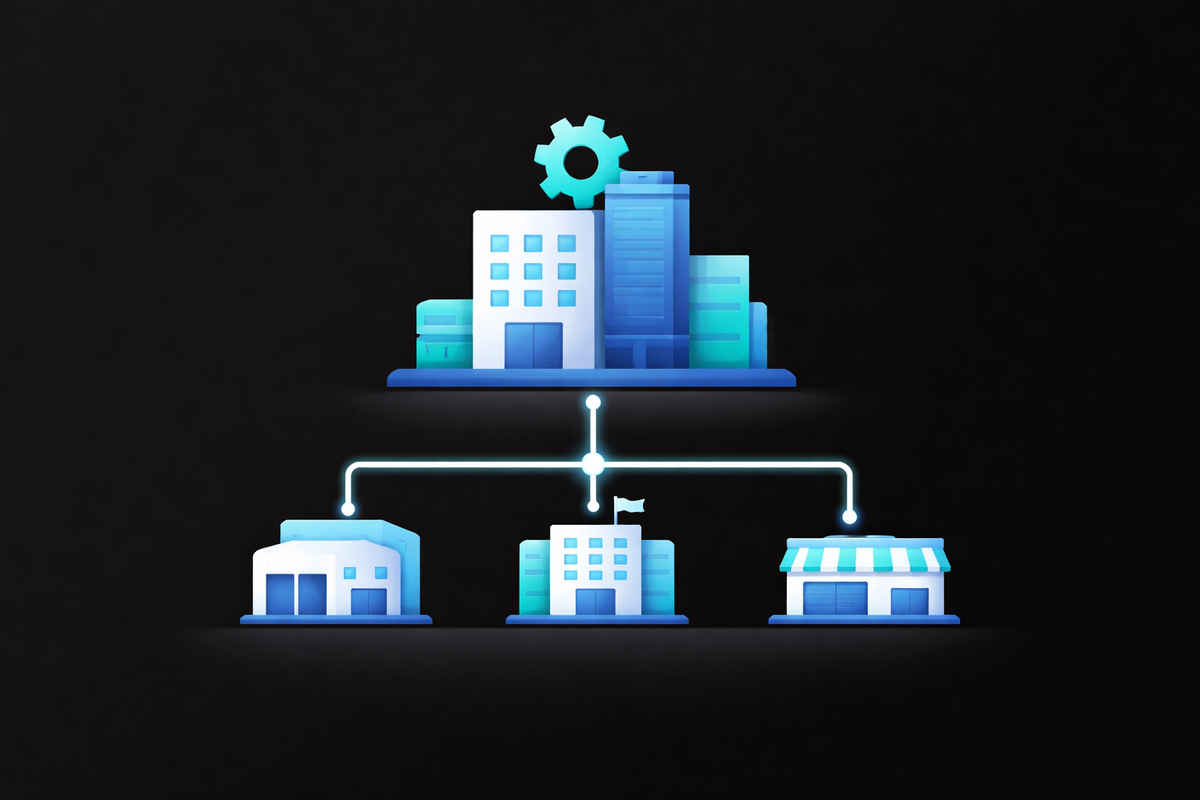
The B2B (Business to Business) model represents one of the most solid and profitable ways to operate in today's market. In 2026, with the digital acceleration sweeping Latin America, understanding what a B2B business is has become essential for competing and growing as a wholesaler, distributor, or manufacturer.
In this guide, we explain the fundamental characteristics of B2B, the different types of commercial relationships between businesses, concrete examples from the region, and why digitalization is the path that the most successful wholesalers are already taking.
What is a B2B business and why it matters
A B2B business is one where a company sells products or services to another company, not to the end consumer. It is the model that drives most of global commerce: before a product reaches a supermarket shelf, it has passed through multiple B2B transactions between manufacturers, distributors, and retailers.
Unlike B2C (Business to Consumer), where the focus is on volume of individual customers, B2B is characterized by long-term relationships, higher-value orders, more complex sales cycles, and negotiations that combine price, volume, credit, and customized commercial terms.
Key characteristics of B2B businesses
1. Lasting business relationships
In B2B, a customer does not buy just once. Wholesalers and distributors maintain business relationships that last years, with recurring orders and terms that adjust over time. A food distributor may keep the same 200 retail clients for a decade, generating predictable and stable revenue.
2. High volumes and large order values
While a B2C sale might be $20, an average B2B order in the region exceeds $500 and can reach tens of thousands. This means each client has a significant impact on revenue, and losing one costs much more than in retail.
3. Rational and multi-stakeholder purchase decisions
Unlike end consumers who buy on impulse or emotion, B2B buyers evaluate price, quality, delivery timelines, credit terms, and after-sales support. Furthermore, in many companies the purchase decision involves multiple people: the purchasing manager, the financial director, and the business owner.
4. Customized pricing and terms
In B2B there is no single price. Each client may have a different price list depending on their purchase volume, history, geographic location, or commercial agreements. Managing this complexity manually is one of the biggest challenges wholesalers face, and one of the main reasons to digitalize.
Types of B2B businesses
Manufacturer to Distributor
The manufacturer produces goods and sells them to distributors who handle getting them to the points of sale. This is the classic model in industries like food, cosmetics, hardware, and textiles. In Latin America, a cleaning products manufacturer might have a network of 50 distributors covering different regions of the country.
Distributor to Retailer
The wholesale distributor buys large volumes and resells them to stores, supermarkets, pharmacies, or smaller businesses. This link is fundamental in the Latin American distribution chain, where the fragmentation of retail means a wholesaler may serve hundreds of small businesses.
SaaS and B2B Services
Software as a Service (SaaS) companies sell technology solutions to other businesses. B2B eCommerce platforms like VentasxMayor are a perfect example: they offer specialized technology so wholesalers, distributors, and manufacturers can digitalize their sales without the need for custom development.
B2B Marketplace
B2B marketplaces connect multiple sellers with multiple buyers on a single platform. Unlike an owned eCommerce site, a marketplace functions as a digital shopping center where different suppliers offer their products. In the region, this model has grown especially in sectors like industrial supplies and raw materials.
Examples of B2B businesses in Latin America
B2B commerce in Latin America is diverse and spans virtually every sector. Some concrete examples:
- Food and beverages: A food wholesaler in Colombia supplying over 300 neighborhood stores, restaurants, and hotels, managing differentiated price lists by channel.
- Cosmetics and perfumery: A fragrance importer in Argentina distributing to perfumeries and pharmacies nationwide, with minimum purchase requirements and volume discounts.
- Hardware and construction: A materials distributor in Mexico serving construction companies and local hardware stores, managing thousands of SKUs with prices that vary by project.
- Apparel: A clothing manufacturer in Peru selling to store chains and boutiques, with seasonal catalogs and scheduled orders.
- Technology: An electronics components distributor in Chile supplying assemblers and repair workshops.
How B2B is changing in 2026
B2B commerce in Latin America is undergoing a profound transformation. These are the trends defining the market in 2026:
Digital self-service: B2B buyers no longer want to depend on a salesperson to place an order. Over 70% of corporate buyers in the region prefer to place their orders autonomously through digital platforms, especially outside business hours.
WhatsApp and mobile orders: In Latin America, mobile is the primary device. B2B platforms that allow sharing catalogs and receiving orders via WhatsApp are capturing most of the market, because they adapt to how buyers in the region actually work.
ERP integration: Companies are connecting their online sales platforms with their internal management systems (ERP), eliminating double data entry and reducing errors. This integration allows stock, prices, and orders to synchronize automatically.
Personalization at scale: Thanks to technology, it is now possible to offer each client a personalized experience without manual effort: their price list, purchase history, favorite products, and credit terms, all automatically available upon login.
Why digitalize your B2B business
Wholesalers who continue operating only with field sales reps, Excel spreadsheets, and phone orders are losing ground to competitors who have already digitalized. It is not about replacing the sales team, but empowering them with tools that allow you to:
- Receive orders 24/7 without depending on salesperson availability.
- Eliminate errors in prices, quantities, and products.
- Scale without adding fixed costs: serve more clients without hiring more salespeople.
- Provide better service: each client accesses their personalized catalog, sees their history, and can repeat orders with one click.
- Make data-driven decisions: know which products sell most, which clients are stopping purchases, which areas have the highest demand.
Platforms like VentasxMayor are specifically designed for the Latin American wholesaler: with support for multiple price lists, credit management, personalized catalogs per client, integration with local ERPs, and a purchasing experience that works perfectly from mobile devices.
The B2B business is not new, but the way of doing it in 2026 is. Wholesalers who understand the characteristics of the model and embrace digital transformation are the ones growing fastest in the region. The question is no longer whether to digitalize, but when to start.